
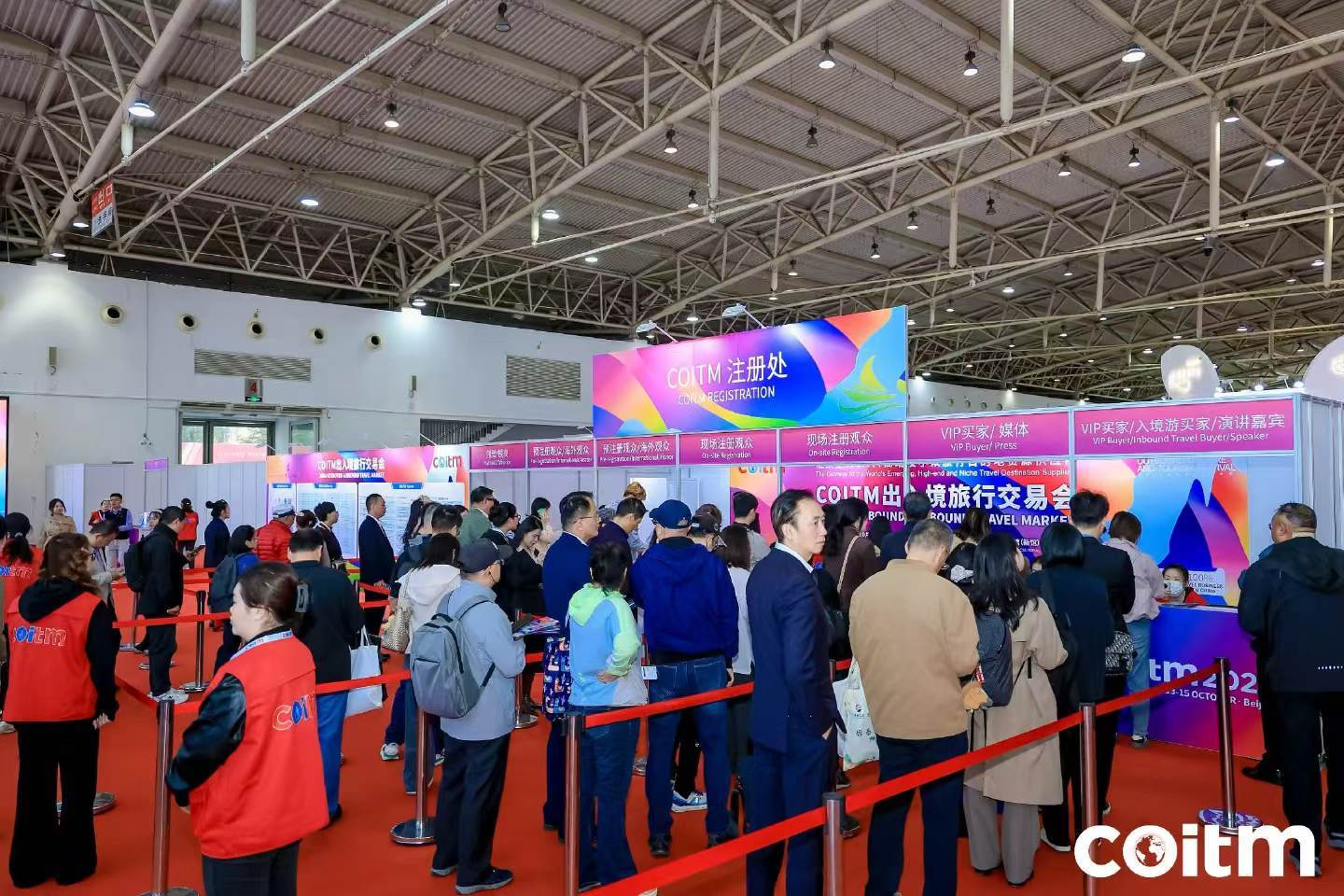
On October 14, the highly anticipated China Outbound & Inbound Travel Market (COITM) officially opened its doors at the National Agricultural Exhibition Center in Beijing. At a critical juncture of comprehensive recovery and structural reshaping in the global tourism industry, the trade show is anchored by the theme "Upgrading Outbound, Revitalizing Inbound." It aims to provide an efficient and pragmatic B2B platform for global tourism professionals. This theme precisely addresses the market demand for elevating outbound travel to premium quality and refreshing inbound tourism with deep, immersive experiences, while exploring new opportunities and trends to drive the synergistic development of the global tourism economy.
As a premier event in the tourism calendar, this year's COITM has consolidated a wealth of high-quality global tourism resources. The exhibition has drawn participation from national tourism organizations (NTOs), tourism boards, and corporate delegations from over 30 destination countries and regions, including Russia, Belarus, Morocco, and Uganda. Concurrently, a robust contingent of renowned domestic destination management companies (DMCs) and professional inbound tour operators has convened, fostering a dynamic two-way exchange of resources. The event has hosted approximately 200 exhibiting companies and attracted a strong turnout of international and domestic trade buyers. Attendees include travel agency executives, representatives from online travel agencies (OTAs), and managers of bespoke travel firms, creating a vibrant atmosphere for procurement and business matchmaking.
On the show floor, destination booths across the globe buzzed with activity and enthusiastic networking. The "China Inbound Ground Operator Resource Zone," in particular, drew massive foot traffic, vividly demonstrating the robust recovery and immense appeal of China's inbound market. Capitalizing on recently implemented visa facilitation policies, numerous international delegates and overseas buyers engaged in in-depth discussions with ground operators. Beyond exploring signature tour routes and traditional cultural experiences, buyers showed keen interest in premium ground services that showcase modern China, such as high-speed rail tours and smart city experiences. This underscores the ongoing "revitalization" of China's inbound product portfolio toward greater diversification and modernization.
The international pavilion was equally impressive, reflecting the increasingly refined trends in global destination marketing. Staff at the Morocco booth warmly welcomed visitors, offering comprehensive insights into North African tourism and tailored itineraries to cater to the growing demand for immersive travel. At the Uganda stand, industry professionals engaged in lively discussions about eco-tourism and wildlife safaris, highlighting niche adventure travel as an emerging hotspot. The Russian booth drew large crowds with its rich cultural heritage and diverse tourism assets, while the Belarus stand saw a continuous flow of inquiries. Delegates there reached multiple preliminary agreements on joint tour route development, particularly highlighting vast potential for collaboration in eco-wellness tourism. Through dynamic displays and professional presentations, these international NTOs successfully projected diverse and compelling destination images to global buyers.
Beyond the extensive exhibition floor, the trade show hosted a series of forward-looking thematic forums and destination roadshows. Industry experts and corporate leaders engaged in high-level dialogues on critical topics such as supply chain restructuring, digital marketing, and sustainable tourism, offering actionable solutions to pressing industry challenges. The successful execution of COITM has not only provided domestic and international tourism enterprises with a valuable platform to showcase their core assets and expand into global markets, but has also significantly advanced the deep integration and innovation of the inbound and outbound tourism supply chain.
Against the backdrop of an accelerating global tourism recovery and evolving consumer demands, the "upgrading" and "revitalizing" ethos championed by this year's COITM serves as both a proactive response to market shifts and a strategic blueprint for the industry's high-quality development. This initiative is set to inject fresh vitality into the tourism workforce, further unlock market potential, and propel the global tourism sector toward a more prosperous, inclusive, and sustainable future.